The National Flooring Company are now trading as RESYN. Learn more about us or read our latest news.

Email: info@RESYN.co.uk Call: +44 (0) 1778 343670
Case Studies
Contact Us
Email: info@RESYN.co.uk Call: +44 (0) 1778 343670

Industrial Resin Flooring

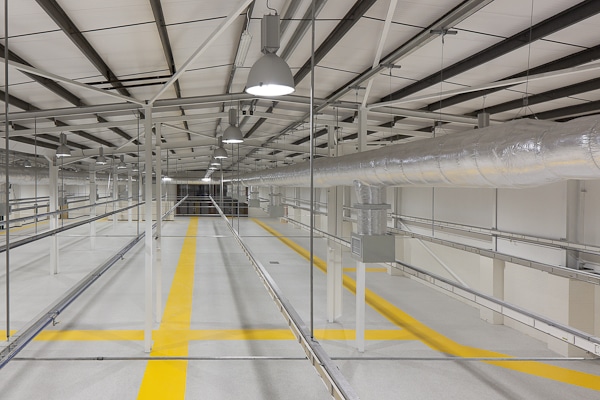
IMG 9658

Resin Flooring Solutions for your Industrial Establishment

At RESYN, we have over 40 years’ experience in installing high-performance industrial resin flooring solutions designed specifically for the industrial sector. Our experienced team tailor each solution to your establishment’s specific needs. Trusted by major companies across the UK, we pride ourselves on providing resin flooring packages that deliver longevity, minimal disruption, and enhanced safety.

Industrial settings require exceptionally hard wearing, robust flooring solutions, that are designed to offer enhanced resistance and longevity under demanding environments. Heavy loads combined with continual operational processes often mean finding the right flooring solution can be challenging.


We offer industrial resin flooring solutions that provide:

  • Minimal Disruption: Our fast-curing MMA resin solutions and flexible installation programmes means that we can install floors quickly without excessive downtime – avoiding costly disruption to production schedules.
  • Exceptional Durability: Our flooring solutions are engineered to withstand the common wear of industrial environments – including heavy foot traffic, forklifts, mechanical loads and impacts.
  • Enhanced Slip Resistance: We offer textured, anti-slip resin flooring finishes designed to reduce the risk of accidents and support health and safety compliance, even in wet environments.
  • Improved Hygiene: Our seamless floors prevent dirt, dust, and bacteria from accumulating, making them ideal for industries with strict hygiene standards such as food production and pharmaceutical.
  • Chemical Resistance: Our specialist resin solutions have a strong resistance to the exposure of oils, cleaning products and chemicals.
  • Temperature Resistance: We offer solutions that are designed to withstand high temperatures up to 120°C.
  • Reduced Maintenance Costs: The durable, easy to maintain nature of resin floors leads to lower maintenance requirements. This reduces the ongoing operational costs over the lifespan of your flooring.

What is industrial resin flooring?

Industrial resin flooring is an extremely durable, seamless flooring system that is formulated by mixing a liquid resin with a hardener to create a solid surface. Industrial resin flooring offers excellent resistance to both physical and chemical attack, making it ideally suited to industrial environments.
There are 3 main types of resin flooring, Epoxy, Polyurethane and MMA. Each of these flooring types has a set of unique characteristics that will determine their suitability based on your requirements.

Industrial resin flooring vs other surfaces:

Industrial settings require exceptionally hard wearing, robust flooring solutions, that are designed to offer enhanced resistance and longevity under demanding environments. Heavy loads combined with continual operational processes often mean finding the right flooring solution can be challenging.

Feature / Criteria Resin Flooring Tiled Flooring Concrete Flooring Vinyl Flooring
Hygiene
Seamless, easy to clean
Grout lines can harbour bacteria
Porous, absorbs contaminants
Seams can trap dirt and harbour bacteria
Chemical Resistance
Excellent
Moderate (grout vulnerable)
Low
Moderate
Slip Resistance
Customisable surface textures
Can be slippery when wet
Poor without treatment
Can be slippery when wet
Durability
High
Moderate
Wears and dusts easily
Low
Thermal Shock Resistance
High (PU options up to 120°C)
Moderate
Poor
Poor
Food Safety Compliance
Meets mot global standards
Risk of microbial growth
Fails to meet standards
Questionable in certain envrionments
Initial cost
Moderate to high
Moderate
Low
Low

*Dependant on thickness of system and frequency of spills.

Benefits of Industrial Resin Flooring Solutions:

  • Minimal Disruption: Our fast-curing MMA resin solutions and flexible installation programmes means that we can install floors quickly without excessive downtime – avoiding costly disruption to production schedules.
  • Exceptional Durability: Our flooring solutions are engineered to withstand the common wear of industrial environments – including heavy foot traffic, forklifts, mechanical loads and impacts.
  • Enhanced Slip Resistance: We offer textured, anti-slip resin flooring finishes designed to reduce the risk of accidents and support health and safety compliance, even in wet environments.
  • Improved Hygiene: Our seamless floors prevent dirt, dust, and bacteria from accumulating, making them ideal for industries with strict hygiene standards such as food production and pharmaceutical.
  • Chemical Resistance: Our specialist resin solutions have a strong resistance to the exposure of oils, cleaning products and chemicals.
  • Temperature Resistance: We offer solutions that are designed to withstand high temperatures up to 120°C.
  • Reduced Maintenance Costs: The durable, easy to maintain nature of resin floors leads to lower maintenance requirements. This reduces the ongoing operational costs over the lifespan of your flooring.


FeRFA Resin Flooring Classification System:

Type Name Description Duty Thickness
1
Floor Seal
Applied in two or more coats. Generally solvent or water borne.
Light
Up to 150 μm
2
Floor Coating
Applied in two or more coats. Generally solvent free.
Light to Medium
150 μm to 300 μm
3
High Build Floor Coating
Applied in two or more coats. Generally solvent free.
Medium
300 μm to 1000 μm
4
Multi-Layer Flooring
Aggregate dressed systems based on multi-layers of floor coatings or flow applied floorings, often described as ‘sandwich’ systems.
Medium to Heavy
> 2 mm
5
Flow Applied Flooring
Often referred to as ‘self-smoothing’ or ‘self-levelling’ flooring and having a smooth surface
Medium to Heavy
2 mm to 3mm
6
Resin Screed Flooring
Trowel finished, heavily filled systems, generally incorporating a surface seal coat to minimise porosity.
Medium to Heavy
> 4 mm
7
Heavy Duty Flowable Flooring
Having a smooth surface.
Heavy to Very Heavy
4 mm to 6 mm
8
Heavy Duty Resin Flooring
Trowel finished, aggregate filled systems effectively impervious throughout their thickness.
Very Heavy Duty
> 6 mm

Typical Applications for Industrial Resin Flooring include:

For typical questions related to industrial resin flooring please visit our FAQ page.

How we work

RESYN offer Turnkey solution packages to ensure your projects are carried out smoothly and with minimal fuss. In addition to our resin flooring packages we can offer a range of services such as drainage solutions, cleaning packages and wall cladding.

Working with RESYN

Our expert team will listen to you and your project requirements whilst evaluating the subfloor and the surrounding environment to understand your operating processes. This enables us to choose and recommend the most suitable product for your needs. RESYN have extensive knowledge and expertise in both industrial resin flooring and commercial resin flooring.

Author: Anna Dewdney

Industrial Resin Flooring FAQ’s

Industrial Resin Flooring is a type of flooring system designed for commercial, industrial, and high-traffic environments, combining durability, chemical resistance, and aesthetic appeal. Unlike traditional concrete or tiled floors, resin flooring is created by applying a polymer-based material over a prepared substrate. The three most common types of resin flooring are Epoxy, Polyurethane and Methyl Methacrylate (MMA).

One of the main advantages of industrial resin flooring is its strength and durability. Once cured, resin floors can withstand heavy machinery, constant foot traffic and deliver long term performance. This makes them ideal for factories, warehouses, laboratories, and food processing facilities. Additionally, resin floors are highly resistant to chemicals, oils, acids, and solvents, which helps maintain a safe and hygienic work environment.

Another significant benefit is low maintenance. Resin floors are seamless, which prevents the accumulation of dirt, bacteria, and moisture in cracks or joints, making cleaning easier and supporting strict hygiene standards.  Resin flooring is highly versatile and can be adapted to increase slip resistant levels or designed to incorporate different colours, textures, or patterns to improve both functionality and aesthetics.

In summary, industrial resin flooring is a robust, versatile, and long-lasting solution for environments where durability, safety, and hygiene are paramount. Its combination of robustness, chemical resistance, ease of maintenance, and customisable design makes it a preferred choice for many industrial environments.

The most common types of industrial resin flooring are Epoxy, Polyurethane (PU) and Methyl Methacrylate (MMA). Each type has distinctive properties that make them suited to specific industrial application.

Epoxy Resin Flooring: Epoxy resin flooring is one of the most popular choices in industrial settings, particularly industrial epoxy coatings. It is highly durable, resistant to chemicals, and easy to clean, making it ideal for factories, warehouses, and laboratories. Epoxy floors can be customised with a variety of colours, finishes, and textures, including anti-slip surfaces for safety.

Polyurethane (PU) Flooring: Polyurethane resin flooring offers excellent flexibility and impact resistance, making it suitable for areas subject to heavy machinery or temperature fluctuations. Installed at 12mm + some PU floors can offer temperature resistance up to 150°C. PU floors are also resistant to abrasion and chemicals, which makes them a preferred choice for food processing plants and cleanrooms.

Methyl Methacrylate (MMA) Resin Flooring: MMA resin flooring cures extremely quickly, allowing for minimal downtime during installation. It is extremely tough, chemical-resistant, and can be applied in low temperatures. MMA floors are ideal for emergency repair situations or facilities that cannot afford long shutdown periods. It can be tailored to provide excellent slip resistance.

Overall, the choice of industrial resin flooring depends on factors such as chemical exposure, traffic load, temperature variations, installation time, and aesthetic requirements. By selecting the appropriate resin system, industries can achieve a long-lasting, safe, and efficient flooring solution.

Industrial resin flooring is widely used across sectors that demand durability, hygiene, and long-term performance. Its seamless nature, chemical resistance, and ability to be tailored to specific operational needs make it especially valuable in the following industries.

Manufacturing and engineering facilities: Resin flooring delivers excellent mechanical strength with strong resistance to abrasion, impact, and heavy loads. In environments exposed to continuous forklift traffic, machinery vibration, and contact with oils or chemicals, resin systems often offer the most effective solution.

Warehouses and distribution centres: Warehouses and distribution centres experience constant movement of goods and vehicles; resin floors provide a smooth, dust-free surface that improves efficiency, reduces maintenance downtime. Slip slip-resistant finishes Can enhance safety.

Food and beverage processing plants: Resin floors provide an extremely durable, seamless, and impermeable finish that prevents bacterial growth and enhances hygiene. Many systems are resistant to acids, sugars, fats, and thermal shock, making them ideal for dairies, breweries, and food production lines where hygiene standards and regulatory compliance are critical.

Pharmaceutical and chemical facilities: Resin flooring plays a vital role in pharmaceutical and healthcare facilities, where cleanliness, safety, and controlled conditions are essential. Seamless, hygienic surfaces enable effective sanitisation, support infection control, and ensure compliance with strict regulatory requirements. Anti-static and chemical-resistant resin systems are widely used in laboratories, cleanrooms, hospitals, and research facilities.

Automotive and aerospace environments: Automotive and aerospace environments are regularly exposed to Acids, alkalis, solvents, oils, fuels, coolants, and cleaning agents. Resin flooring forms a chemically resistant barrier that prevents these substances from penetrating the surface, extending the floor lifespan and reducing costly repairs.

Industrial resin flooring is widely used within industrial settings due to the range of benefits it can provide, particularly relating to durability, safety and long-term value.

Exceptional Durability and Strength: Industrial resin flooring is engineered to handle heavy machinery, forklift traffic, pallet movement and constant foot traffic. It offers excellent compressive strength and impact resistance making it particularly well suited for manufacturing and processing environments.

Excellent Chemical Resistance: A key advantage of industrial resin flooring is its excellent resistance to chemicals, oils, solvents, acids, and cleaning agents. This makes it ideal for facilities where chemical spills are common, such as food processing plants, pharmaceutical facilities, and manufacturing environments.

Enhanced Hygiene: Resin floors are seamless and non-porous, which prevents dirt, bacteria, and contaminants from accumulating in joints or cracks. This makes cleaning easier and supports compliance with strict hygiene and safety regulations.

Improved Safety: Resin floors can be customised with the addition of quartz to enhance slip resistance levels. It is also commonly used to mark out colour coded zones for walkways and hazard area to improve visibility and better organisation.

Low Maintenance and Cost Effective: Although the initial installation cost may be higher than some alternatives, industrial resin flooring offers long-term value due to its durability, low maintenance requirements, and extended lifespan. Reduced downtime for repairs and easy cleaning also contributes to overall operational efficiency.

Yes, industrial resin flooring can significantly enhance health and safety in the workplace. These flooring systems are specifically designed to create durable, hygienic, and slip-resistant surfaces that help protect employees, visitors, and equipment.

One of the key benefits is slip resistance. Many industrial environments, such as factories, warehouses, and food processing plants, face risks from spills, moisture, or chemical residues. Resin flooring can be formulated with anti-slip aggregates, providing a stable walking surface even in wet or oily conditions, which reduces the likelihood of slip accidents.

Hygiene and cleanliness are also improved with resin floors. Seamless and non-porous surfaces prevent dirt, bacteria, and other contaminants from settling in cracks or joints, unlike traditional concrete or tiled floors. This is particularly important in healthcare, laboratories, and food production facilities, where maintaining a sterile environment is essential for employee and product safety.

Additionally, resin flooring is highly resistant to chemicals and abrasions, protecting workers from exposure to harmful substances and minimising wear.

Other safety advantages include clear demarcation of work zones and the ability to incorporate bright, colour-coded areas for safe pathways, equipment zones, or hazard warnings. This visual guidance helps prevent accidents and keeps operations organised.

Compliance with industry standards: Many industrial resin flooring systems are designed to conform to stringent industry standards such as HACCP (Hazard Analysis and Critical Control Points). HACCP compliance ensures that the flooring supports a controlled environment, helping prevent contamination and maintaining food safety standards. Choosing a resin flooring system that meets these regulations demonstrates a commitment to both employee safety and regulatory compliance.

Overall, investing in industrial resin flooring is more than just a long-term cost-saving measure – it’s a proactive approach to creating a safer, cleaner, and healthier working environment. By reducing slip risks, preventing contamination, and supporting clear workplace organisation, resin floors play a crucial role in protecting both people and operations.

Choosing the right industrial resin floor can be tricky unless you have a good understanding of the different resin flooring types and the variables that need to be considered when selecting the best option.  There are several factors that can influence the suitability of a product, and these include:

Environmental Considerations:  Understanding the surrounding environment is essential, including assessing both the type and intensity of traffic in the area. It is also important to determine whether the floor will be exposed to chemicals or temperature fluctuations that could impact its performance. Evaluating the frequency and nature of these exposures ensures that the selected flooring system is capable of withstanding the conditions over time.

Budget Costs: Budgets are often a primary consideration in decision-making, but it is important to weigh costs against long-term value. Your expectations regarding cost versus durability can also influence the solution you select. While resin flooring may have a higher initial cost, it typically provides a durable, long-term solution when properly specified and installed.

Installation Programmes: There are various resin flooring systems available, each with its own curing time. It is therefore important to consider both the installation window and the time required for the floor to fully cure. When downtime is limited, fast‑curing options are available to help minimise disruption.

Aesthetics / Slip Resistance Requirements: When selecting a resin flooring system, it is important to determine whether the space requires a balance of aesthetics and functionality. Some resin types offer greater design flexibility, including options for colours, finishes, and decorative effects, making them suitable for areas where visual appeal is a priority. Certain resin systems can be modified with textured aggregates or specialist finishes to achieve the required level of slip resistance without compromising the overall aesthetic.

Overall: An experienced resin flooring contractor will be able to assess your facility’s unique requirements and take into account all the factors mentioned above before recommending the most suitable industrial resin flooring solution. They will evaluate aspects such as the level of foot and vehicle traffic, exposure to chemicals or moisture, temperature variations, and specific safety or hygiene standards that need to be met. Their expertise allows them to match the right resin type, thickness, and installation method to your environment, providing a tailored solution that balances performance, aesthetics, and cost-effectiveness.

Industrial resin flooring can often be installed without completely halting operations, but the feasibility depends on the type of resin, the facility’s layout, and the production schedule. Some resin flooring types, MMA systems can cure fully within as little as 60 minutes, allowing work to proceed in phases while the rest of the facility remains operational. One downside to the MMA resins is the strong odour that is produced. This can usually be managed effectively by the correct ventilation techniques.

One effective strategy is phased installation. Large areas can be divided into sections, and each section can be treated individually, ensuring that production can continue in the remaining areas. This method minimises downtime and allows businesses to maintain productivity while upgrading their flooring. It is essential to carefully plan logistics, including the movement of personnel and equipment, to avoid contamination of wet surfaces and to maintain workplace safety.

Another consideration is the use of low-odour or solvent-free resins. These systems reduce the impact on air quality, which is particularly important in facilities where sensitive operations or food processing takes place. Adequate ventilation and protective measures can further mitigate any disruption.

While industrial resin flooring installation can often occur without full operational shutdown, coordination with the customer is critical. Scheduling installation during off-peak hours, weekends, or in less critical zones can further reduce operational impact. However, some environments with extremely sensitive equipment, high-precision manufacturing, or strict hygiene requirements may still require temporary closures or partial shutdowns for safety and quality assurance.

In conclusion, with careful planning, phased installation, and the use of fast-curing or low-odour resin systems, industrial resin flooring can be successfully installed with minimal interference to ongoing operations, ensuring both safety and productivity.