
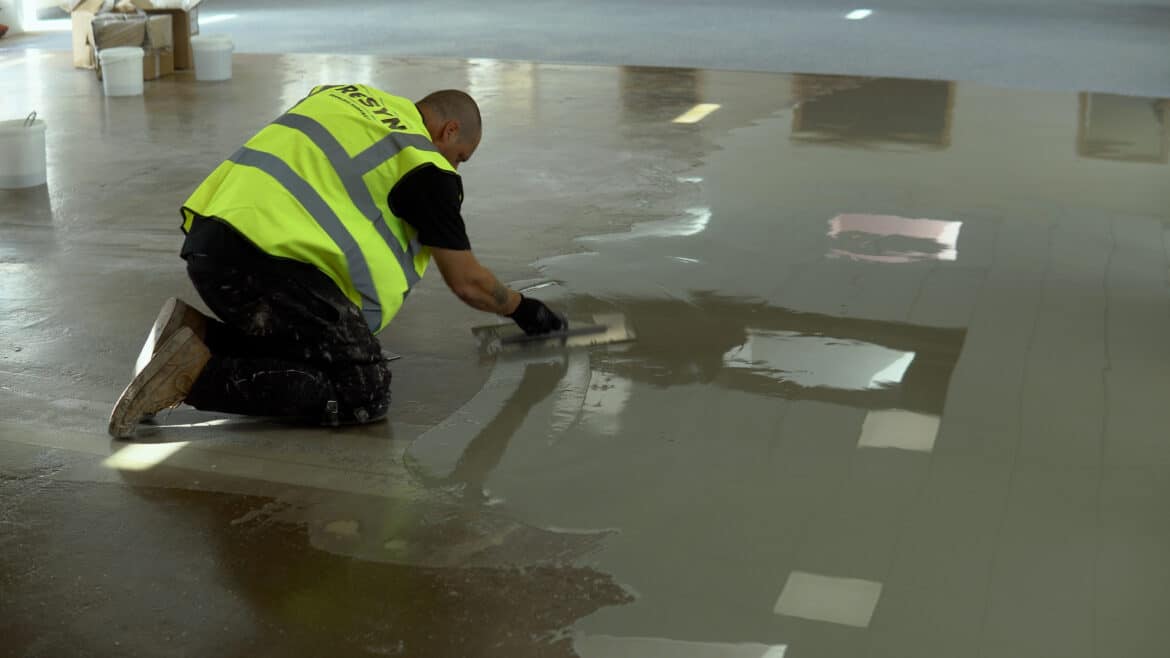

Resin flooring has become a popular choice for both commercial and industrial spaces thanks to its durability, enhanced hygiene, and modern aesthetic. However, for those considering this flooring solution, understanding the installation process is key to planning effectively. From surface preparation to curing times, each step affects how long the project will take and what to expect during the transformation. In this article, we will break down typical resin flooring installation timelines and provide insights into what business owners should anticipate at every stage.
Surface Preparation:
Proper surface preparation is critical in achieving a successful resin floor finish. The adhesion, durability and aesthetic of the finish rely heavily on the correct preparation.
Resin flooring can be installed on a variety of substrates including, concrete, cementitious screeds, tiles, metal, WBP plywood, however the floor must be prepared correctly.
Surface preparation creates a profile on the substrate and is used to improve resin adhesion. It is also used to remove old coatings and any laitance that may prevent the resin finishing from adhering properly.
The size of the area and the existing substrate will determine what preparation is best suited for the job but below provides a guideline of the most common forms of preparation.
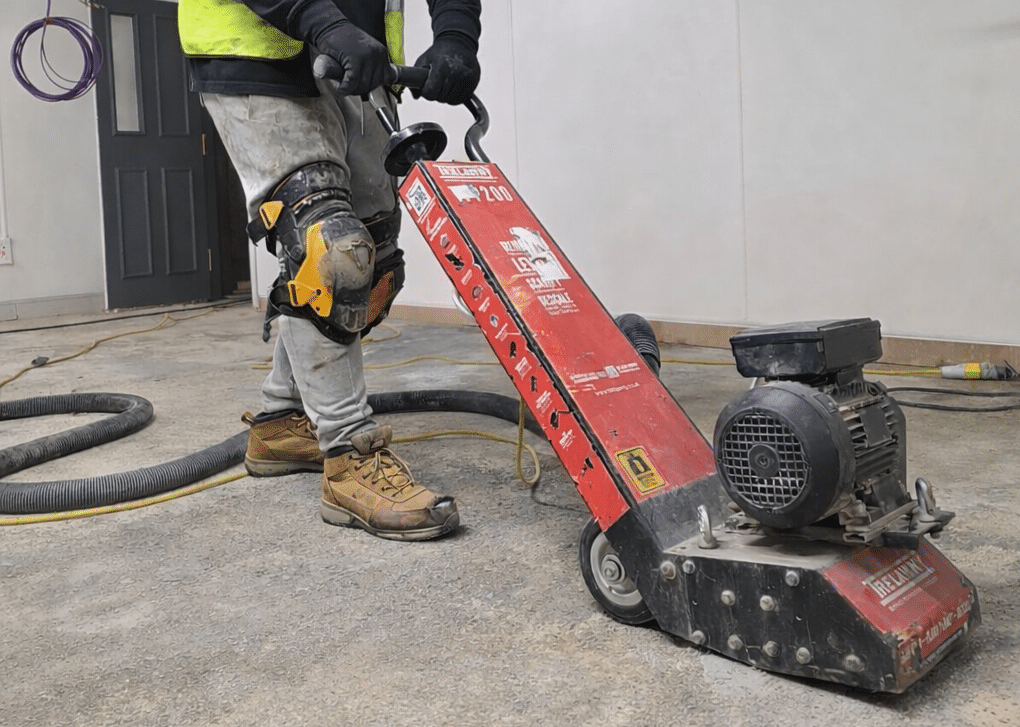
Planetary diamond grinder (hand-held, walk behind or ride-on):
- Removing laitance, weak concrete, old coatings
- Open the concrete pores for resin adhesion
- Screeds
Shot Blasting:
- Large industrial areas
- Achieving a uniform CSP (Concrete Surface Profile)
- Best suited to power floated or extremely hard concrete
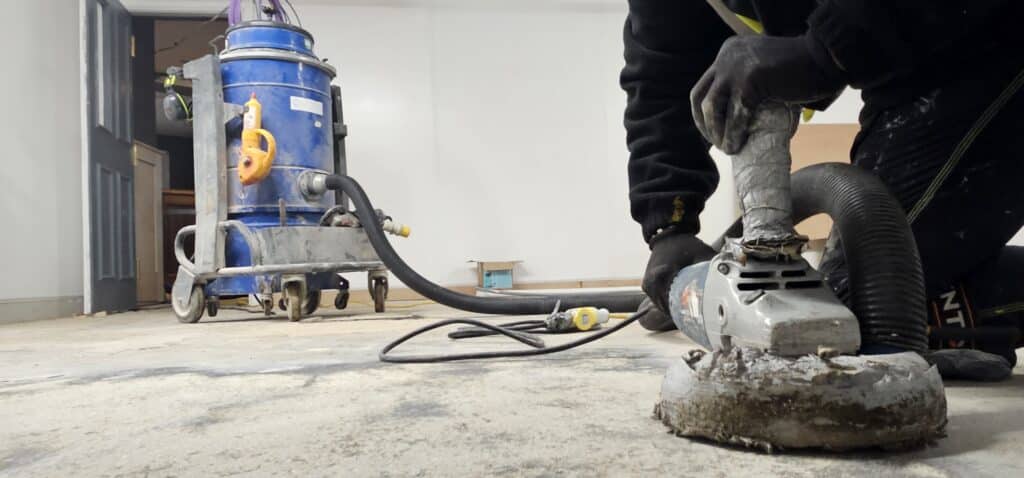
Floor Planer:
- Removing thick coatings
- Correcting severe unevenness
- More aggressive than grinding
Competent surface preparation should also involve inspecting the floor for cracks or holes. Before installation, any loose debris must be removed, and defects should be repaired using mortars / jointing compounds that are compatible with the resin floor finish.
Timeline: Up to 500m2 – 1 day *
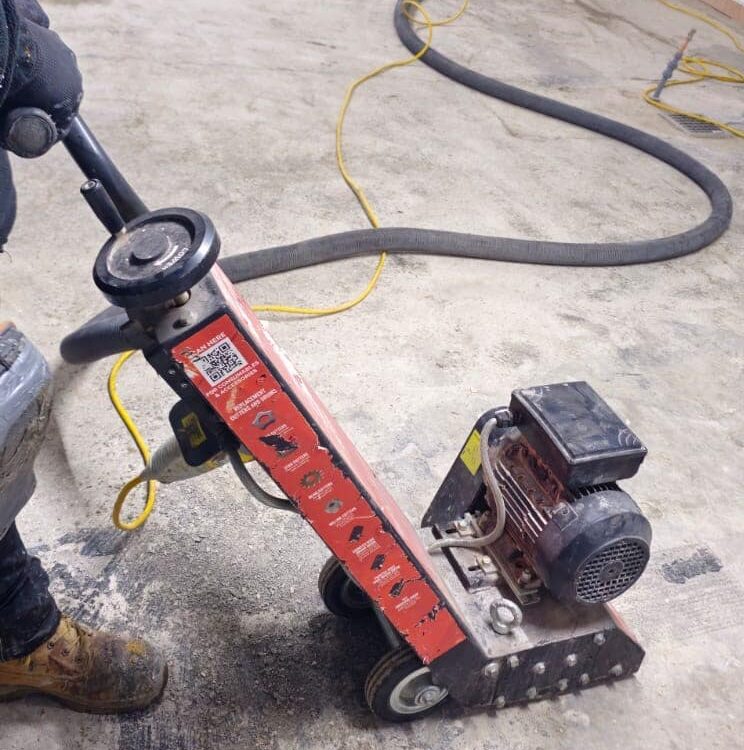
Primer coat:
Applying a primer coat provides several advantages, such as enhancing adhesion, sealing the surface, and minimising air bubbles and pinholes.
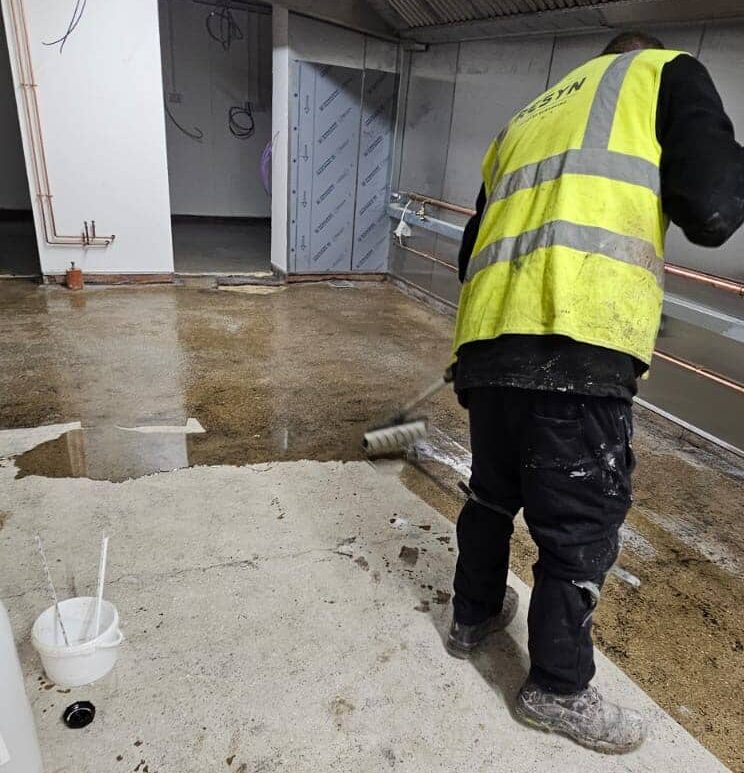
Benefits of using a primer:
Enhancing adhesion: Primers penetrate and bond to the substrate, creating a surface that the resin can stick to.
Seals the surface: Concrete and other substrates are often porous. Priming prevents the resin from being absorbed too quickly.
Reduces Air Bubbles and Pinholes: Air trapped within the substrate can form bubbles within the resin. A primer can assist in filling these pockets and providing a smoother surface.
Timeline: Up to 1000m2 day. *
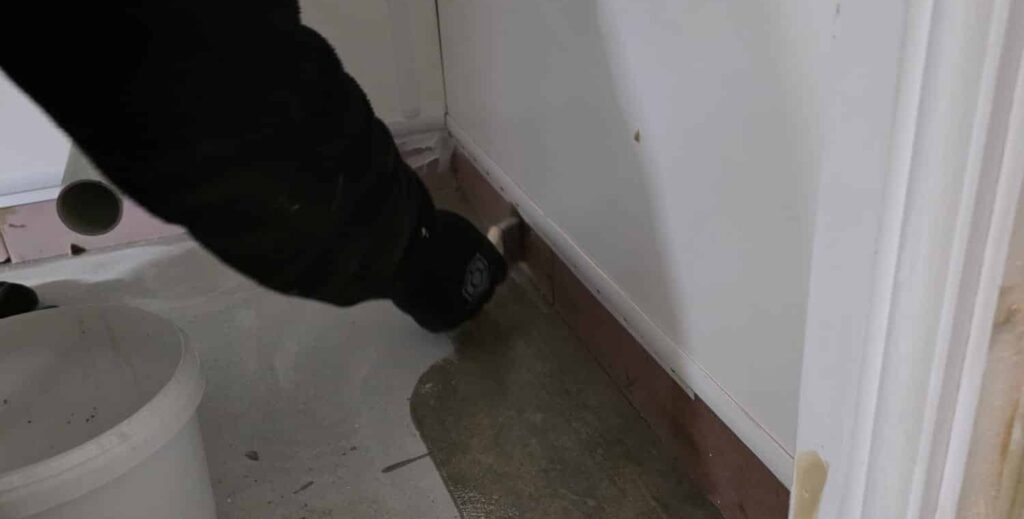
Bodycoat:
The bodycoat is the layer that sits between the primer and the topcoat / sealcoat and is primarily used to build thickness and durability. It is also used to encapsulate the finishing material, such as quartz or decorative flakes.
Prior to the application of the resin finish, a scrape coat may be required to smooth and level minor surface undulations. This preparatory layer helps create a more uniform substrate, ensuring a consistent final appearance. Where necessary, the scrape coat can also be used to embed a reinforcing membrane, which enhances the overall tensile strength of the system and improves its resistance to cracking and movement.
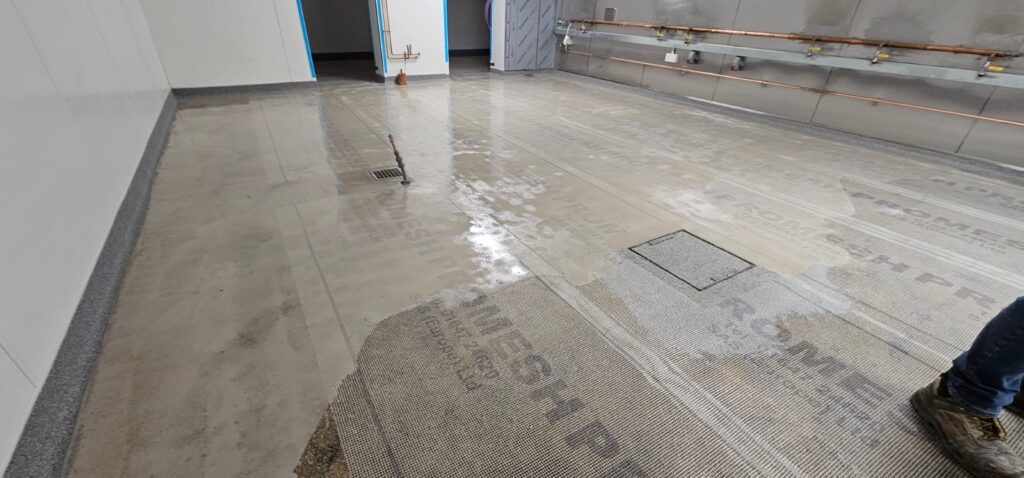
Function of the Bodycoat:
- Builds system thickness – to meet performance and durability requirements.
- Provides mechanical strength, including abrasion, impact, and compressive resistance.
- Encapsulates aggregates or fillers, if used, to create texture, aesthetics or enhance strength.
- Levels minor surface irregularities left after substrate preparation.
The bodycoat is often the layer that differentiates a light-duty coating and a heavy-duty industrial flooring system. The thickness of the bodycoat is dependent on the specification and system of the floor which will be determined based on the requirements of the project and environment conditions. Thickness can range from 0.5mm – 12mm.
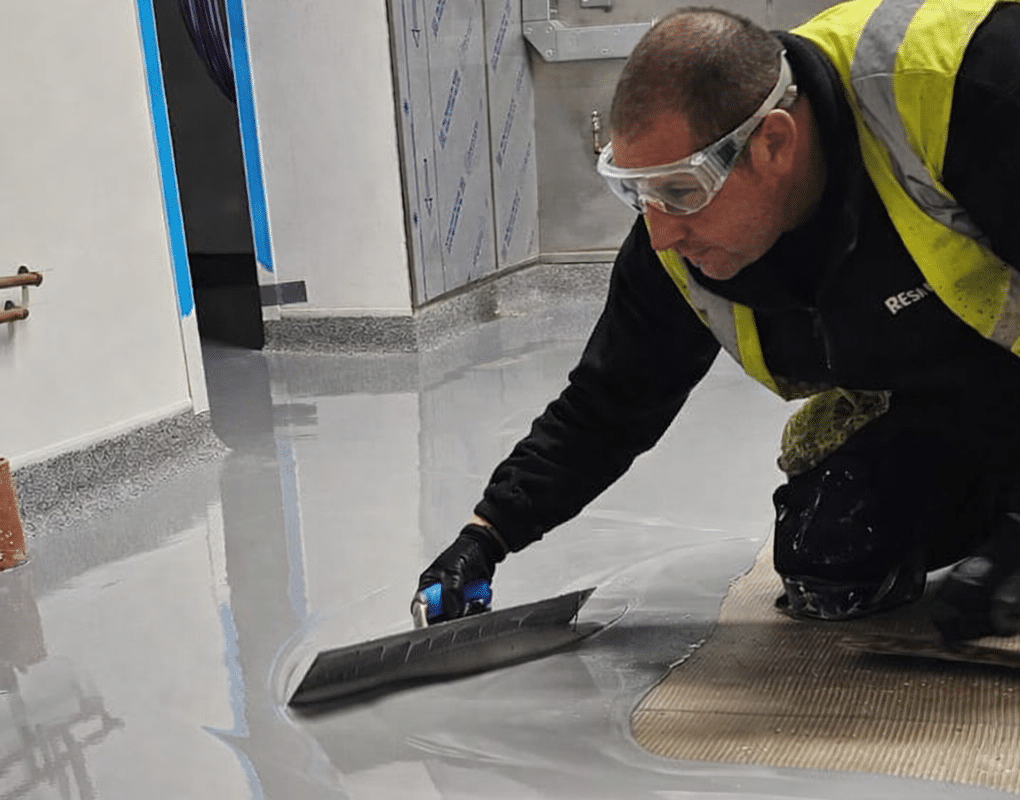
Timelines can vary based on the system being installed, combined with the complexity of the job. Below is a basic guideline:
- Small/complex areas (lots of corners, joints, obstacles): 50–100 m² per day *
- Medium/simple areas: 100–200 m² per day *
- Large/open areas with a skilled team: 200–300 m² per day *
- Basic coatings: Up to 1000m2 per day ( 1 coat) *
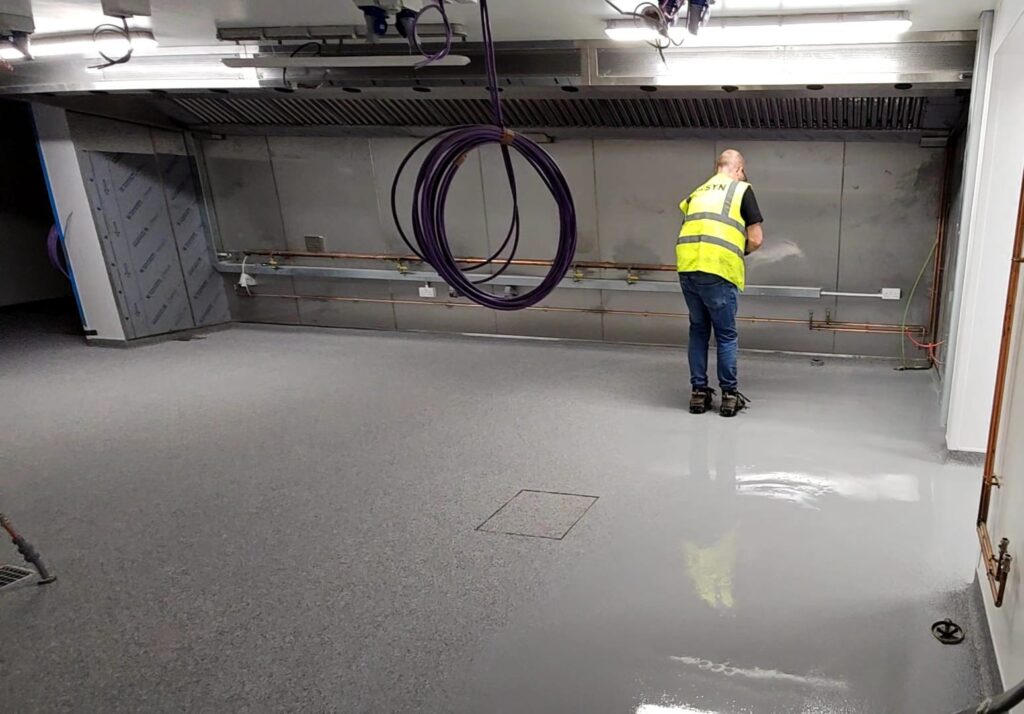
Topcoat/ Sealcoat:
The topcoat in a resin flooring system is typically the wearing layer and has several functions, including protection, aesthetics and ease of maintenance.
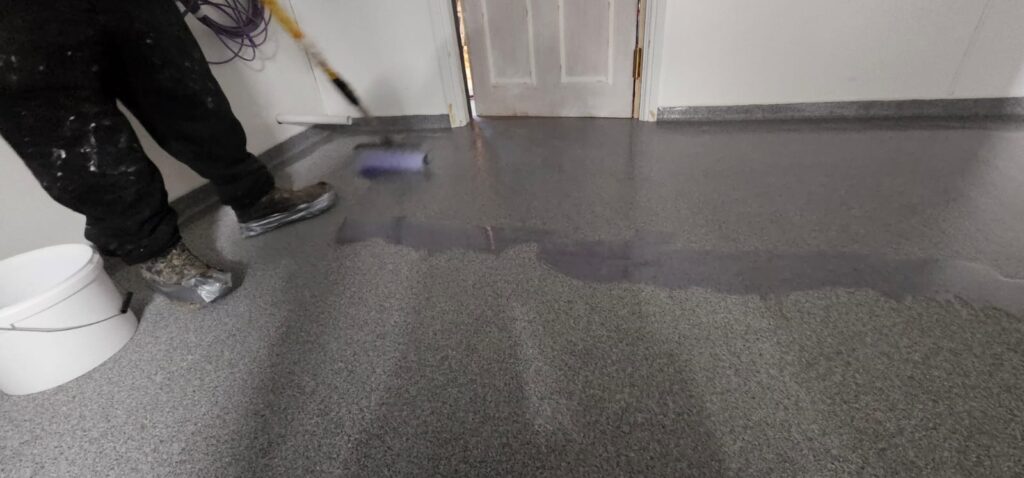
Function of the topcoat / sealcoat:
- Protection: The seal coat encapsulates any finishing material such as quartz or decorative flakes. It also provides enhanced resistance to chemical exposure, UV damage and general wear.
- Aesthetics: Depending on the resin system, the sealcoat can provide gloss and colour uniformity.
- Ease of maintenance: A sealcoat helps to provide a uniform surface that is easier to clean.
It is worth noting that not all resin flooring systems have a topcoat.
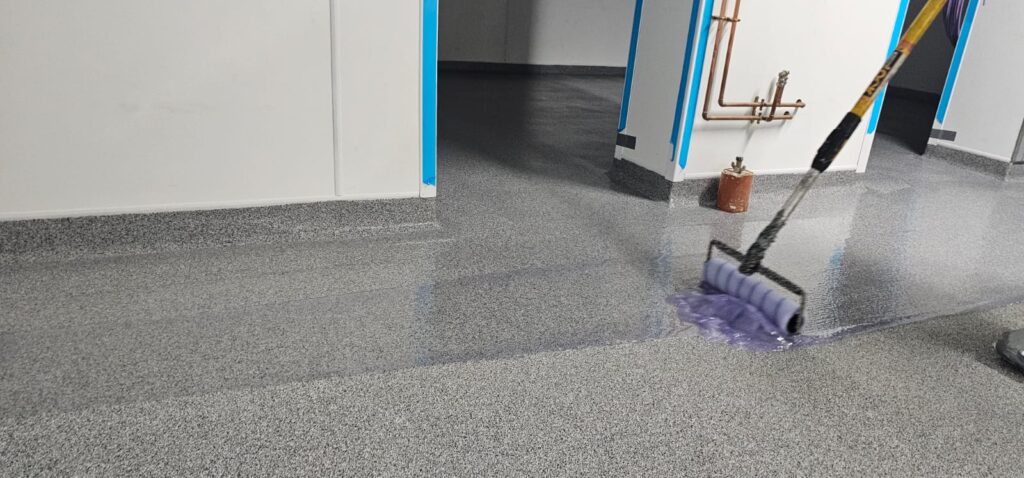
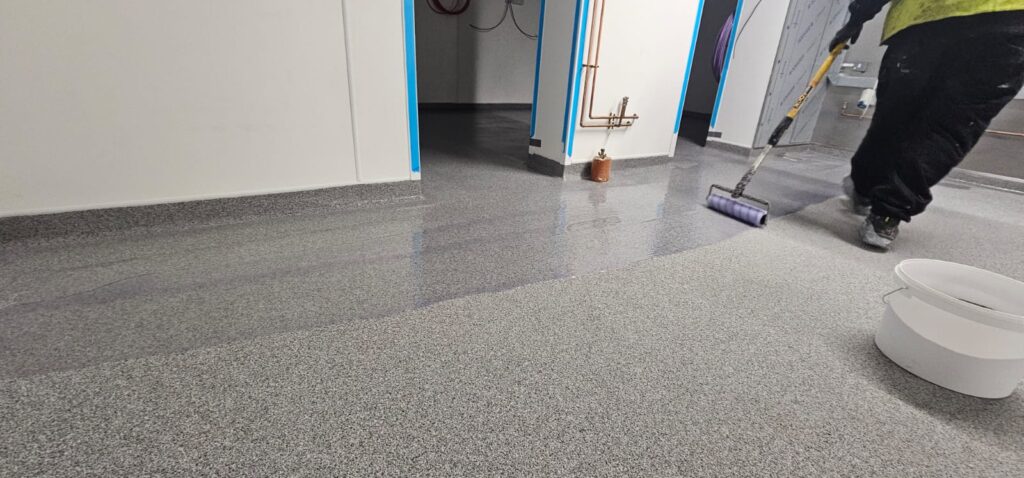
Timeline:
- Small to medium commercial floor (e.g., up to 500 m²): 1 coat per day. *
- Large industrial floor (1,000 m²+): Contractors may manage up to 1000 m² per day per team, depending on logistics. *
Curing Times:
The curing time of your resin floor will vary depending on the system selected, as some systems cure faster than others. Ambient room temperature can also influence the curing process as such the season during which the installation occurs can significantly impact both curing time and costs.
Below can act as a guide on the typical cure times of the main resin flooring types.
Epoxy Flooring: 8-24 hours between coats and 5-7 days to achieve a full chemical cure.
Polyurethane Flooring: 5-12 hours between coats and 5 hours – 3 days for physical cure and 5-7 days full chemical cure (dependant on product and temperature).
MMA Resin Flooring: 1-2 hours between coats and 2 hours full cure.
Conclusion:
In conclusion, a successful resin flooring installation is as much about preparation and communication as it is about the material itself. Understanding realistic timelines, potential challenges, and the steps involved allows clients to plan with confidence and avoid unnecessary disruption. When expectations are clear from the outset and the process is managed by experienced professionals, resin flooring delivers not only a seamless finish but also long-term performance, reliability, and value well beyond installation day.
*Please note that these coverage rates are very basic guidelines. Its not just about the material, you also need to consider the environment, surface, workforce and programme requirements.
Coverage rates can vary drastically depending on several factors, including, type of resin, system installed, surface preparation, team size and experience, ambient conditions, floor complexity, logistics and access.
Need further assistance?
If you’re unsure which epoxy industrial flooring system is right for your facility, or if you need guidance on installation, maintenance, or system specification, our team of experienced flooring specialists can help. Contact us today to discuss your requirements and find the best solution for your facility.
Author: Anna Dewdney